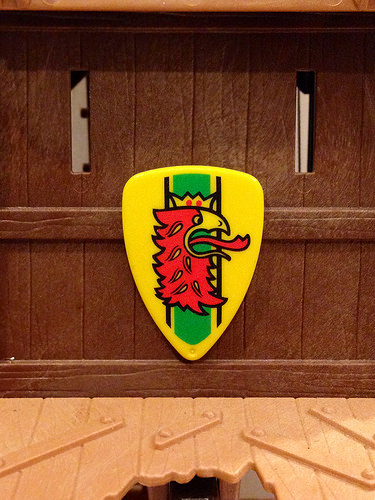
Capital Museum: Art of the Siege (Exhibit Entrance)
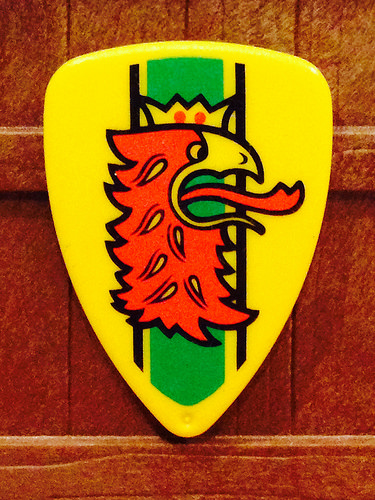
Part of The Crown Beneath the Waves Project (2026)
The Battle of the Broken Bridge
“The banners seen beyond the river were gone.” — Chronicler
In the year of the invasion, when the enemy crossed the sea, a contingent came ashore upon the western coast of Alca, their purpose not conquest by storm but union by movement. Their design, as later understood, was to advance inland, seize the crossings of the Cryere, and join with their eastern army upon the fertile plains beyond the river. Alvaren had already fallen to the eastern force, its sack sending refugees south and west across the countryside. Once united, the invaders believed the road to Southwick and the southern coast would lie open, securing their supply and eventual occupation of the island.
At first, fortune appeared to favor them. The Abbey of Cryere burned, and smoke from its lands could be seen for miles across the low country. The western army pressed forward, believing their advance remained in accordance with the plan agreed before the crossing. The enemy forces were separated by the river, and the western host moved inland expecting to meet their eastern allies at Stone Bridge as intended. Reports reached them that enemy banners had been seen east of the river, and that the crossing was lightly held. Their advance guard moved ahead unchallenged, and this silence was taken as confirmation that events were unfolding as expected.
What they did not know was that the campaign had already turned against them.
Trinco, then captain of the royal forces, judged that the enemy’s advance offered opportunity greater than immediate battle. From Parliament Hill he directed his commanders to hold the eastern bank and allow the enemy’s movement to continue, while a body of Alvaren knights moved unseen around the lake to the north. The advance guard that crossed the bridge found not retreating enemies but encirclement, and were taken before warning could reach the army behind them. The crossing itself was never intended to be defended. It had been marked instead for destruction once the enemy’s commitment made withdrawal impossible.
The western host continued forward, believing success close at hand.
Then the bridge fell.
By prior order, the Old Stone Bridge—prepared in advance for that purpose—was deliberately brought down when the moment came. The central span collapsed suddenly into the Cryere without flame or warning, vanishing in dust and spray. For a time the western army did not understand what had occurred. Messengers sent ahead did not return. The banners seen beyond the river were gone. Confusion spread as the army compressed toward the riverbank, uncertain whether the crossing might yet be restored.
Archers of Alvaren, positioned above the western approach, began to fire into the crowded ranks. The river before them could not be crossed, and the lake to their south denied maneuver. Only then did the hidden knights reveal themselves, striking from concealment and forcing the army northward along the river road. The western commander, still believing the crossing might be recovered, delayed too long before ordering withdrawal. By the time the truth was understood, retreat had become disorder.
The advance guard east of the river was lost. The main body fled toward the beaches from whence they launched their campaign, abandoning the hope of union with their eastern allies.
Among those caught near the river during the arrow fire was Matthias Simms, later known for his role in rebuilding the bridge whose destruction had marked the turning of the war.
Later historians would argue whether the decision to destroy the bridge was necessity or ruthlessness. What none disputed was that the act ended the enemy’s chance to unite their armies. Though Alvaren had already suffered sack and ruin, the loss of the crossing denied the invaders control of the island. From that day forward, the initiative passed entirely to Trinco.
Thus ended what would come to be called The Battle of the Broken Bridge, remembered less for slaughter than for the moment when an army marched toward certainty and found only the river.