Salvage from the Trinco
Part of The Crown Beneath the Waves Project (2026)
The Jettisoned Cannon of the Trinco
Historical Summary
The cannon associated with the state vessel Trinco represents the earliest physical evidence connected to the ship’s final voyage and played a decisive role in shaping historical interpretation prior to the discovery of the wreck.
Origin and Loss (1682)
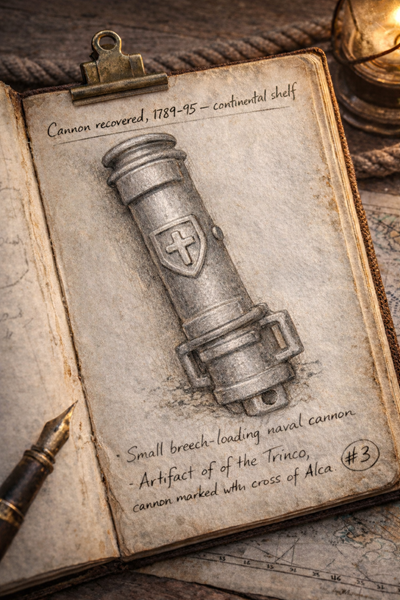
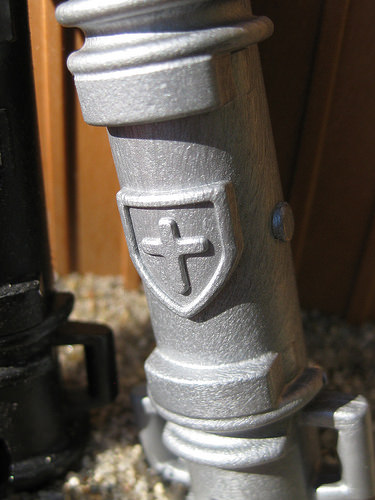
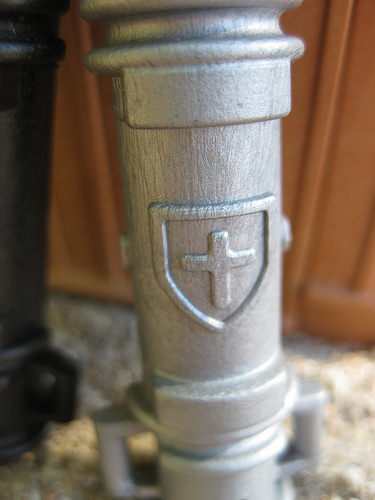
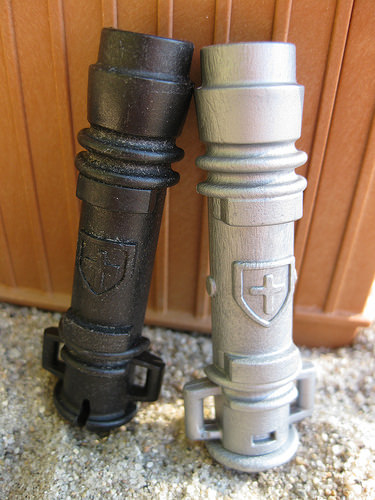
During the return voyage from the continent in October 1682, the Trinco encountered severe weather while approaching Alca. Contemporary reconstruction suggests that, as conditions deteriorated, members of the crew jettisoned heavy equipment in an effort to stabilize the vessel and reduce strain on the hull. Among the items cast overboard was at least one ship’s cannon.
The action is understood as a common emergency measure taken by seventeenth-century crews attempting to keep a vessel afloat during extreme seas. The jettison likely occurred while the ship was already being driven off course by wind and current.
Recovery and Early Interpretation (1789–1795)
Between 1789 and 1795, fishermen operating along the continental shelf recovered a cannon later believed to have originated from the Trinco. Its discovery became the primary material evidence associated with the lost vessel.
Because the cannon was found far from Alca, historians concluded that the Trinco must have foundered near the continent after being driven offshore by the storm. This interpretation became widely accepted and remained largely unchallenged for more than two centuries.
Reinterpretation (1993)
During research conducted by Gabriel Simms and historian Christina in 1993, the cannon’s significance was reassessed. Examination of storm patterns, currents, and lighthouse accounts suggested that the cannon marked not the location of the wreck but a moment during the vessel’s final struggle to remain afloat.
If the cannon had been discarded earlier in the storm, the ship could have continued drifting for a considerable distance afterward. This reinterpretation shifted the focus of the search toward the southern coast of Alca and directly contributed to the discovery of the wreck site off Divers’ Bay.
Modern Interpretation
Today, the jettisoned cannon is understood less as evidence of where the Trinco was lost and more as evidence of the crew’s final efforts to save her. Within modern historical interpretation, it represents the point at which material evidence and historical assumption diverged.
Its misinterpretation delayed the discovery of the wreck but ultimately contributed to its rediscovery by prompting renewed examination of long-accepted conclusions.